Bleeding or Swollen Gums
Repeated bleeding, redness, or swelling can indicate inflammation around the teeth.
Periodontitis is an advanced form of gum disease that affects the tissues supporting your teeth. Early assessment can help identify the extent of the condition and guide appropriate periodontal care.
At Lilium Medical Center, you can discuss gum symptoms, professional cleaning options, and ongoing care with the dental team.
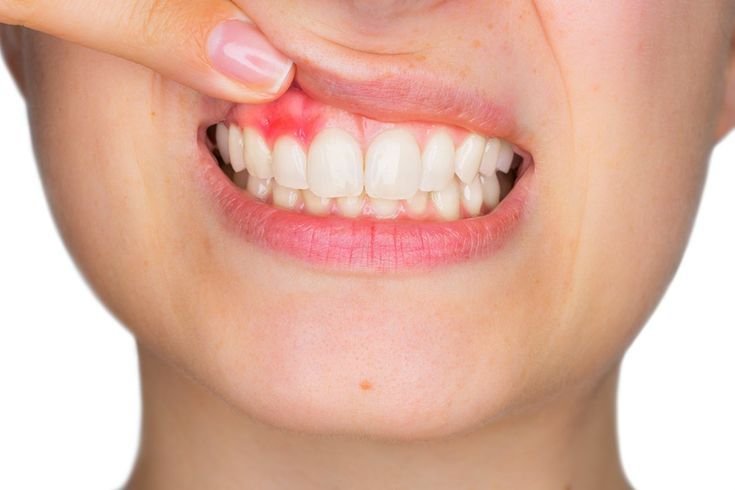
Periodontitis develops when inflammation associated with gum disease affects the tissues and bone that support the teeth. It can progress gradually, and some people may not notice significant pain in the early stages.
As the condition progresses, gum pockets may deepen, gums may recede, and teeth can become loose. A periodontal examination helps your dentist evaluate your gums and determine whether treatment is needed.
Periodontal disease can cause different symptoms. Persistent changes in your gums or teeth deserve professional attention.
Repeated bleeding, redness, or swelling can indicate inflammation around the teeth.
Gums may pull away from teeth, making teeth appear longer or exposing sensitive root surfaces.
Ongoing unpleasant breath or a bad taste may accompany gum disease and plaque accumulation.
Tooth mobility or changes in tooth position can indicate damage to supporting tissues and need prompt assessment.
A new difference in how your teeth meet should be examined by a dental professional.
Spaces between the teeth and gums may deepen as the supporting tissues become affected.
Treatment depends on gum pocket measurements, deposits below the gumline, tissue damage, and individual risk factors.
Your dentist can explain the available options after examining your teeth and gums.
Your dentist assesses gum health, measures periodontal pockets when indicated, and may recommend X-rays to evaluate supporting bone.
Scaling and root planing may be recommended to remove plaque and tartar below the gumline and clean affected root surfaces.
Your dental team can guide you on brushing, cleaning between teeth, and practical steps to support daily gum care.
Follow-up appointments help monitor gum response, review oral hygiene, and identify areas that may need additional care.
A clear assessment helps you understand your gum condition and the next steps in your care.
Explain your symptoms, medical history, oral hygiene routine, and any changes you have noticed.
The dentist examines your gums and teeth and determines whether further periodontal checks are needed.
Review the recommended care, possible follow-up visits, and daily steps to help manage gum disease.
Professional care works alongside daily oral hygiene. Your dentist can recommend techniques suited to your gum condition and individual needs.
Deep cleaning may be part of periodontal treatment when deposits have accumulated below the gumline. It is not required for every patient.
Explore Deep CleaningExplore related services to learn about gum inflammation, professional cleaning, and preventive dental care.
Understand common questions about periodontal disease and treatment options.
Periodontitis can often be controlled with appropriate treatment and ongoing maintenance. Existing supporting tissue damage may not be fully reversible, so regular monitoring is important.
No. Gum disease can progress with few noticeable symptoms. Bleeding, recession, persistent bad breath, or tooth mobility can occur even without significant pain.
No. Deep cleaning is recommended when the dental findings indicate a need to remove deposits below the gumline. Your dentist will assess whether it is appropriate.
Advanced periodontal disease can damage the bone and tissues supporting teeth, potentially leading to loose teeth or tooth loss if not appropriately managed.
The recommended interval depends on your gum condition, response to treatment, and risk factors. Your dentist will advise a suitable maintenance schedule.
Seek prompt dental attention for significant swelling, pus, worsening pain, or loose teeth. Difficulty breathing or swallowing, or rapidly spreading facial swelling, requires emergency medical care.
If you have persistent gum symptoms or concerns about periodontitis, contact Lilium Medical Center to arrange an assessment and discuss appropriate care.
This page provides general educational information and does not replace a professional dental examination, diagnosis, or personalised treatment advice.