Severe Tooth Decay
Extensive decay may weaken a tooth beyond what a filling or crown can reliably restore.
When a tooth is severely damaged, infected, or cannot be preserved with suitable dental treatment, extraction may be recommended. A dental examination helps determine the safest and most appropriate option for your situation.
Lilium Medical Center provides dental assessment and guidance to help patients understand tooth removal, recovery, and possible replacement options.
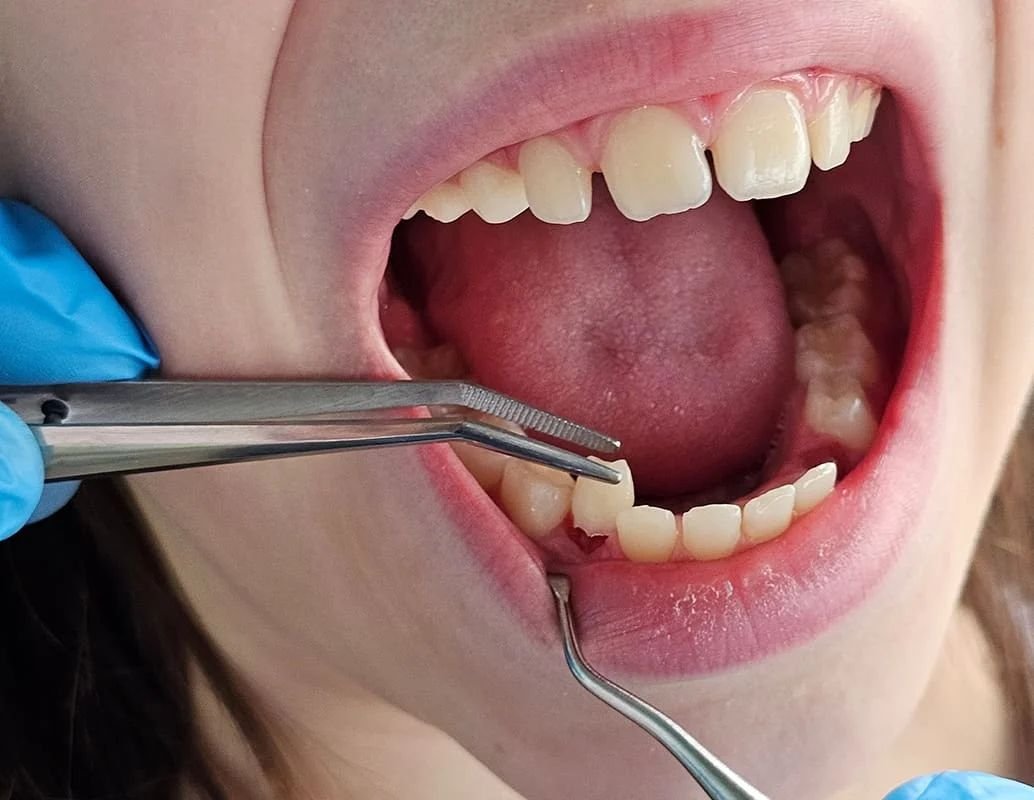
Tooth extraction is the removal of a tooth from its socket. Dentists generally aim to preserve natural teeth whenever possible, but removal may be considered when a tooth is too damaged or diseased to be predictably restored.
The dentist will assess the tooth, surrounding gums, and available treatment choices. Depending on the case, dental X-rays may be recommended to understand the tooth's position and root structure.
Some teeth can be removed with a straightforward procedure. Others may need a more involved surgical approach, particularly if they are broken, impacted, or difficult to access.
The recommendation depends on examination findings and your individual dental needs.
Extensive decay may weaken a tooth beyond what a filling or crown can reliably restore.
A badly damaged tooth may require removal if it cannot be predictably treated and preserved.
A fracture extending into parts of the tooth that cannot be restored may make extraction necessary.
Severe loss of supporting tissues can sometimes leave a tooth loose and difficult to retain.
In selected cases, removal may be part of a wider orthodontic treatment plan.
A tooth that cannot erupt normally may need further assessment and, in some cases, surgical removal.
Your dentist will explain the proposed procedure, expected recovery, and any relevant risks.
The dentist reviews your symptoms, medical history, and the tooth's condition. X-rays may be taken when necessary.
You can discuss available alternatives, anaesthesia, expected recovery, and any questions before treatment begins.
Local anaesthesia is commonly used. The dentist removes the tooth using an approach suited to its position and condition.
Your dental team explains how to protect the extraction site, manage expected discomfort, and recognise symptoms that need attention.
Healing varies depending on the tooth, the procedure, and your general health. Follow the instructions provided by your dentist.
Seek prompt dental advice if pain or swelling becomes worse rather than improving, you develop a fever, or you notice persistent bleeding or other concerning symptoms.
Difficulty breathing or swallowing, or rapidly spreading swelling around the mouth or neck, requires emergency medical attention.
Contact the ClinicDepending on the diagnosis, other services may help treat or manage the affected tooth.
Answers to common questions about tooth removal and recovery.
Local anaesthesia is generally used to numb the area. Pressure may be felt during treatment, and some soreness afterwards is possible. Your dentist can explain comfort options for your case.
Initial healing often takes several days, while the socket continues healing for longer. Recovery depends on the tooth and whether the extraction is simple or surgical.
Sometimes. Depending on the damage, a filling, root canal treatment, or crown may preserve the tooth. Your dentist can explain which options are appropriate.
Soft, comfortable foods are often easiest at first. Avoid foods or drinks that your dentist advises against, and follow the instructions given for your particular procedure.
Contact your dentist about worsening pain, increasing swelling, fever, or bleeding that does not settle. Difficulty breathing or swallowing requires emergency medical attention.
Speak with Lilium Medical Center about tooth pain, damage, or whether extraction may be appropriate for your dental needs.
This page provides general educational information and does not replace a dental examination or personalised medical advice.