Emergency Dentist in Ajman: What to Do During a Dental Emergency
A sudden toothache, broken tooth, dental swelling or other urgent dental problem can happen without warning. Knowing what to do and when to seek professional care can help you respond appropriately during a dental emergency.
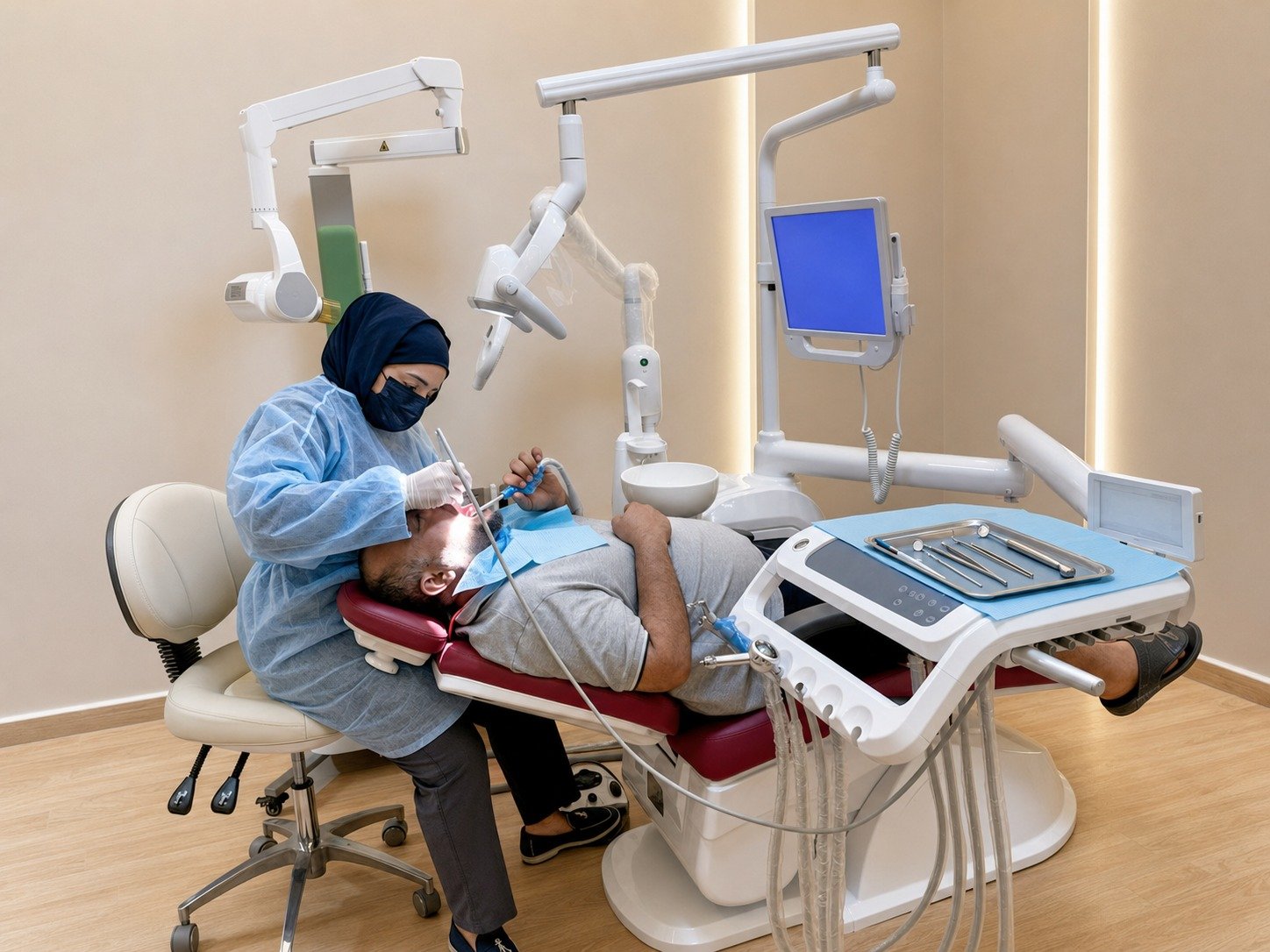
When Should You See an Emergency Dentist in Ajman?
Dental emergencies can range from sudden severe pain to injuries affecting a tooth, gums or surrounding tissues. Prompt dental assessment can help identify the cause of the problem and determine the appropriate treatment.
If you are experiencing a serious dental problem, an emergency dentist in Ajman can assess your symptoms and help determine the next step. Some dental problems may require urgent attention, particularly when there is significant pain, swelling, trauma or signs of infection.
At Lilium Medical Center, our emergency dental care service is designed for urgent dental concerns such as severe toothache, broken or cracked teeth, dental infection and swelling, dental trauma, damaged fillings or crowns, and other situations requiring prompt dental assessment.
If you have a serious facial injury, uncontrolled bleeding, difficulty breathing or swallowing, or another potentially life-threatening emergency, seek immediate emergency medical care rather than relying only on dental treatment.
Common Dental Emergencies
Understanding common urgent dental problems can help you decide when professional dental assessment is appropriate.
Severe Toothache
Persistent or severe tooth pain can have different causes, including tooth decay, infection or damage. A dental examination can help identify the underlying problem.
Broken or Cracked Tooth
A broken or cracked tooth may cause pain, sensitivity or difficulty eating. Professional assessment can determine whether the tooth needs restorative or other dental treatment.
Dental Infection and Swelling
Swelling around a tooth or gums may be associated with a dental infection. Prompt dental assessment is important, particularly when symptoms are worsening.
Dental Trauma
An injury to the mouth can affect teeth and surrounding tissues. A dentist can assess the affected area and determine the appropriate treatment.
Damaged Filling or Crown
A lost or damaged filling or crown can expose part of a tooth and may cause discomfort or sensitivity. Arrange a dental assessment rather than ignoring the problem.
Wisdom Tooth Problems
Pain, swelling or discomfort around a wisdom tooth can require professional assessment. Depending on the condition, treatment may include dental care or an extraction assessment.
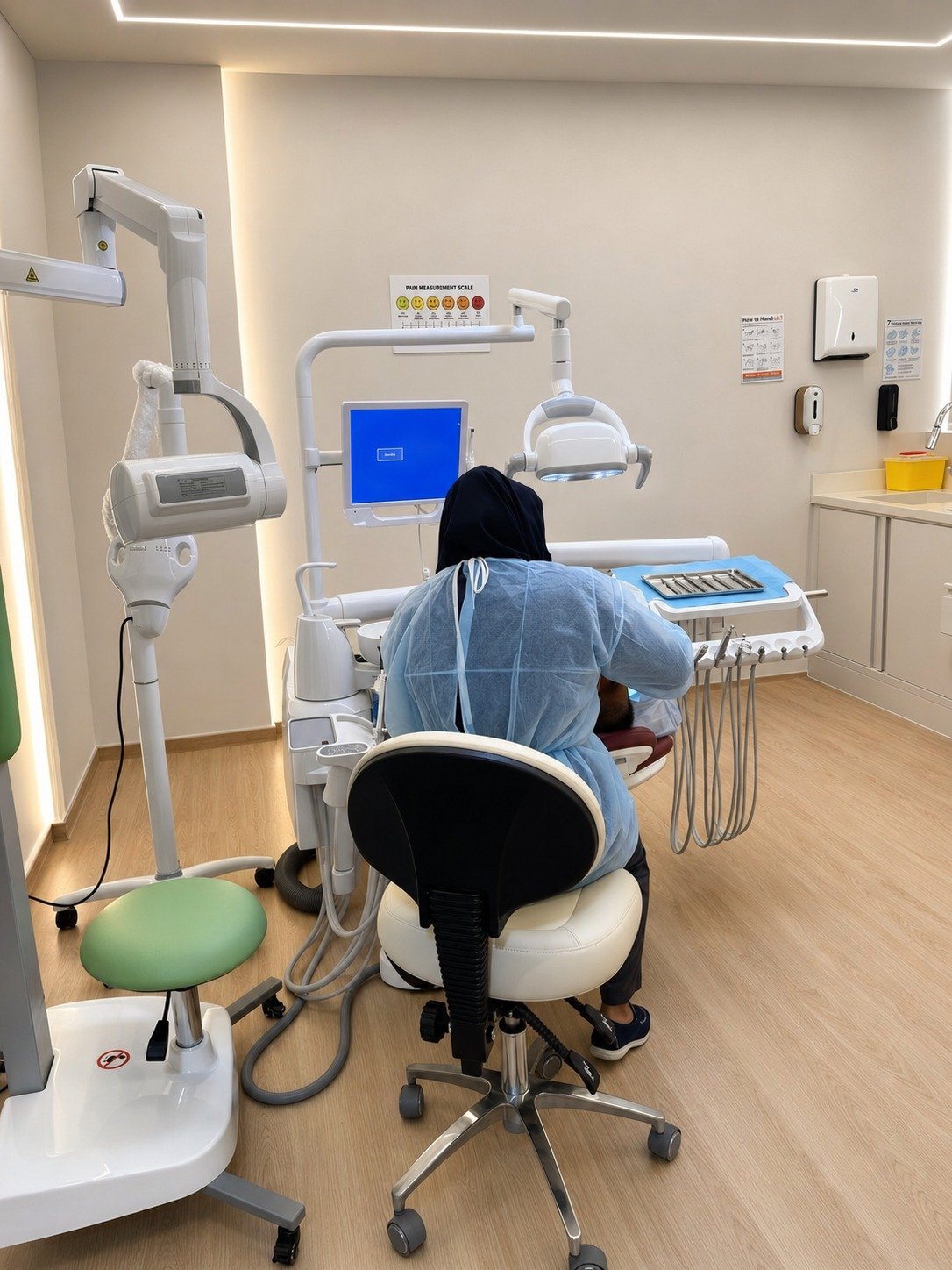
What Should You Do During a Dental Emergency?
When a dental emergency happens, staying calm and arranging professional dental assessment is important. The appropriate response depends on the type and severity of the problem.
1. Contact a Dentist for Assessment
If you have severe dental pain, swelling, trauma or another urgent dental concern, contact a dental clinic and explain your symptoms. This allows the dental team to understand the situation and advise you about the next step.
2. Avoid Delaying Care for Severe Symptoms
Some dental problems can become more difficult to manage when treatment is delayed. If pain or swelling is significant, seek professional dental assessment rather than continuing to ignore the symptoms.
3. Protect an Injured Tooth
If a tooth has been damaged, avoid chewing on the affected side and keep the area as clean as possible while arranging dental care.
4. Do Not Attempt Dental Treatment Yourself
Avoid trying to repair a broken tooth, filling or crown yourself. A dentist should examine the problem and determine the appropriate treatment.
5. Follow Professional Dental Advice
After assessment, follow the dentist's instructions regarding treatment, oral care and follow-up appointments. The right treatment depends on the cause and condition of the dental problem.
When Should You Seek Urgent Dental Care?
Consider contacting an emergency dentist when you experience symptoms that require prompt dental evaluation.
- Severe or persistent toothache
- Significant swelling around the tooth, gums or face
- A broken, cracked or severely damaged tooth
- Dental trauma or an injury affecting the teeth
- A lost or damaged filling or crown
- Symptoms associated with a possible dental infection
- Severe pain around a wisdom tooth
- Bleeding from the mouth that requires dental assessment
If you are unsure whether your symptoms require urgent dental care, contacting a dental professional for guidance can help you determine the appropriate next step.
Related Dental Care at Lilium Medical Center
Explore our dental services in Ajman for treatment, prevention and ongoing oral care.
Emergency Dentist in Ajman FAQs
What is considered a dental emergency?
Severe toothache, significant dental swelling, dental trauma, broken or cracked teeth, damaged dental restorations and other urgent dental problems may require prompt dental assessment.
When should I see an emergency dentist in Ajman?
You should consider urgent dental assessment when you experience severe or persistent pain, significant swelling, dental trauma, a badly damaged tooth or other symptoms that are difficult to manage.
Can a broken tooth be treated?
Treatment depends on the extent and location of the damage. A dentist needs to examine the tooth before determining the appropriate treatment.
What should I do if my tooth suddenly starts hurting?
Avoid putting unnecessary pressure on the affected tooth and arrange a dental assessment, especially if the pain is severe, persistent or accompanied by swelling.
Does Lilium Medical Center provide emergency dental care in Ajman?
Yes. Lilium Medical Center provides emergency dental care for urgent dental concerns including severe toothache, broken or cracked teeth, dental infection and swelling, dental trauma and other emergency dental problems.
Need an Emergency Dentist in Ajman?
If you are experiencing an urgent dental problem, contact Lilium Medical Center to arrange an emergency dental assessment.
View Emergency Dental Care +971 55 411 7629This article provides general dental information and does not replace an examination or diagnosis by a qualified dental professional. Treatment recommendations depend on the individual patient's dental condition.