Pain at the Back of the Mouth
Discomfort near the back molars may be related to wisdom tooth eruption or another dental issue.
Wisdom teeth are the last molars to emerge, usually during the late teenage years or early adulthood. If a wisdom tooth becomes impacted, causes repeated inflammation, or develops a problem that cannot be managed with other treatment, removal may be considered.
A dental examination helps assess the position of your wisdom teeth and whether monitoring, treatment, or extraction is appropriate.
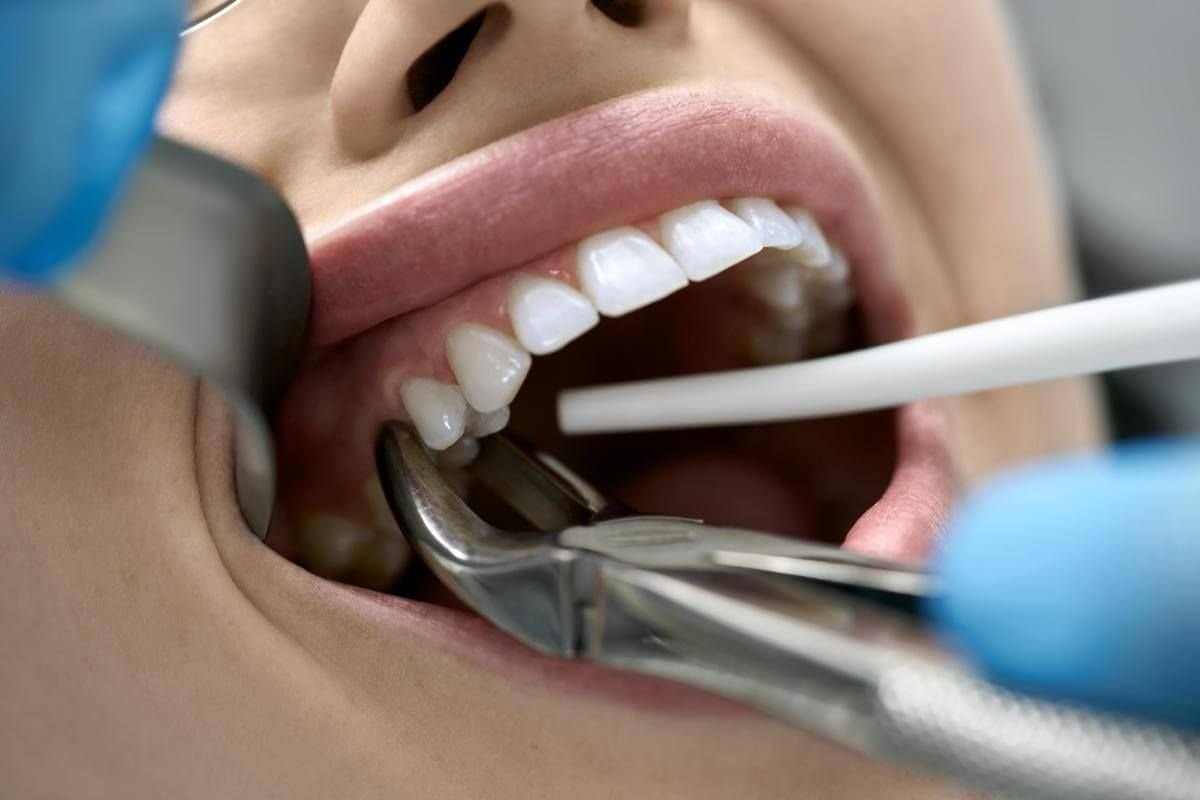
Wisdom tooth extraction is the removal of one or more third molars at the back of the mouth. These teeth may erupt fully, emerge only partly, or remain trapped beneath the gum or within the jawbone.
A tooth that lacks sufficient space may become impacted or difficult to clean. This can contribute to discomfort, inflammation around the gum, tooth decay, or damage to neighbouring teeth in some cases.
Not every wisdom tooth needs to be removed. If a tooth is healthy, properly positioned, functional, and easy to clean, your dentist may recommend monitoring instead.
Symptoms can have different causes, so an examination is important before deciding on treatment.
Discomfort near the back molars may be related to wisdom tooth eruption or another dental issue.
Gum tissue around a partially erupted wisdom tooth can become inflamed or irritated.
A partially erupted tooth can create an area where food and plaque are difficult to remove.
Recurring inflammation around a wisdom tooth may need professional assessment and treatment.
Wisdom teeth can be difficult to clean and may develop decay themselves or affect nearby teeth.
Difficulty opening the mouth, especially with swelling or pain, should be assessed promptly.
Your treatment plan depends on the tooth's position, symptoms, and examination findings.
Your dentist reviews your symptoms, medical history, and the condition of the wisdom tooth and surrounding gums.
Dental X-rays may help show the tooth's angle, root structure, and relationship to nearby teeth and anatomical structures.
Your dentist explains whether monitoring, non-surgical care, or extraction is appropriate and whether specialist referral is needed.
If extraction is recommended, the approach depends on whether the tooth is fully erupted or impacted. You will receive instructions for recovery and follow-up.
Some soreness, swelling, and jaw stiffness can occur after extraction. The extent and duration depend on the complexity of the procedure.
Contact your dentist if pain or swelling worsens, you develop a fever, bleeding persists, or you have concerns about your recovery.
Difficulty breathing or swallowing, or rapidly spreading swelling, requires emergency medical attention.
Call the ClinicFind more information about tooth removal and other dental care options.
Helpful information about wisdom teeth, removal, and recovery.
No. Healthy wisdom teeth that are well positioned and can be cleaned may be monitored. Removal is considered when examination findings indicate a problem or a significant risk.
An impacted wisdom tooth is unable to erupt normally because of its position or a lack of space. It may be partly visible or remain beneath the gum or bone.
Local anaesthesia is commonly used to numb the area. Pressure may be felt during the procedure, and soreness or swelling can occur afterwards. Your dentist will discuss suitable comfort measures.
Recovery varies with the tooth's position and the complexity of removal. Many people experience symptoms for several days, while complete healing takes longer. Follow your dentist's guidance.
Inflammation around a partially erupted wisdom tooth can cause gum swelling. Facial swelling, fever, worsening pain, or difficulty opening the mouth needs prompt dental assessment.
Seek prompt care for significant or worsening pain and swelling. Difficulty breathing or swallowing, or rapidly spreading swelling, requires emergency medical attention.
Contact Lilium Medical Center to discuss your symptoms and arrange a dental assessment to understand your treatment options.
This page provides general educational information and does not replace a dental examination or personalised medical advice.