Routine Dental Cleaning
Professional cleaning removes plaque and tartar from accessible tooth surfaces and around the gumline.
It is commonly part of preventive dental care and may be recommended at intervals suited to your oral health.
Deep teeth cleaning, also known as scaling and root planing, is a periodontal procedure used to remove plaque and tartar from below the gumline when gum disease makes it necessary.
At Lilium Medical Center, a dental assessment can help determine whether deep cleaning is suitable for your gum health and what care may be needed afterwards.
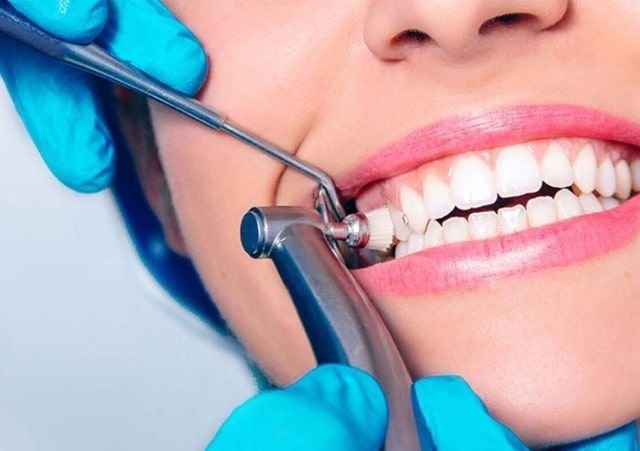
Routine dental cleaning focuses on removing plaque and tartar from accessible tooth surfaces and around the gumline. Deep cleaning goes further when periodontal disease has caused pockets to develop between the gums and teeth.
During scaling and root planing, a dental professional removes deposits from affected areas below the gumline and cleans the root surfaces. This can help reduce inflammation and support improved gum health.
Deep cleaning is not necessary for everyone. Your dentist will assess your gums, measure periodontal pockets when appropriate, and recommend treatment based on the findings.
The right type of cleaning depends on the condition of your gums and the amount and location of plaque and tartar.
Professional cleaning removes plaque and tartar from accessible tooth surfaces and around the gumline.
It is commonly part of preventive dental care and may be recommended at intervals suited to your oral health.
Scaling and root planing targets deposits below the gumline when periodontal pockets or gum disease indicate that additional treatment is needed.
It may involve more than one appointment, depending on the areas treated and your individual needs.
These symptoms can have different causes. A dental examination is needed to determine whether deep cleaning or another treatment is appropriate.
Frequent bleeding during brushing or cleaning between teeth can be a sign of gum inflammation.
Ongoing unpleasant breath or taste may be associated with plaque buildup or gum disease.
Changes in gum colour, tenderness, or swelling should be assessed if they persist.
Gums that pull away from the teeth may expose root surfaces and indicate a need for assessment.
Deeper periodontal pockets may allow deposits to collect below the gumline where routine cleaning cannot reach.
If you have been treated for periodontitis, your dentist may recommend ongoing periodontal maintenance.
Your dental team will explain the recommended procedure before treatment begins.
Your dentist reviews your symptoms and gum health. Periodontal measurements and dental X-rays may be used when clinically indicated.
Specialised dental instruments are used to remove plaque and tartar from the affected areas beneath the gumline.
The affected root surfaces are carefully cleaned to remove deposits and support healing of the surrounding gum tissues.
Your dentist explains home care and whether a review or ongoing periodontal maintenance is needed to monitor your response.
Your gums may feel tender or sensitive for a short time after deep cleaning. Follow the specific instructions provided by your dental team.
Daily plaque control and regular professional reviews can help maintain gum health after treatment. The right maintenance schedule varies from person to person.
If pain or swelling becomes severe, symptoms worsen, or bleeding does not settle, contact your dental professional for advice.
Contact the ClinicLearn about gum disease and related dental services available through Lilium Medical Center.
Common questions about periodontal cleaning, recovery, and ongoing gum care.
Comfort varies by patient and the extent of treatment. Local anaesthesia may be used when appropriate. Tell your dentist if you feel discomfort during the procedure.
Appointment length depends on the areas being treated and the severity of gum disease. Some patients may need treatment across more than one visit.
Mild tenderness or limited bleeding may occur after treatment. Follow your dentist's instructions and contact the clinic if bleeding is heavy, persistent, or concerning.
No. Routine cleaning is suitable for many people. Deep cleaning is recommended when examination findings indicate periodontal deposits below the gumline.
There is no single schedule for everyone. After initial treatment, some patients need periodontal maintenance at individually recommended intervals rather than repeating the full procedure routinely.
Scaling and root planing is a common non-surgical treatment for periodontitis. Some cases also require specialist care or additional treatment, depending on disease severity and response.
Concerned about bleeding gums, persistent bad breath, or possible gum disease? Contact Lilium Medical Center to discuss a dental assessment and suitable care options.
This page provides general educational information and does not replace a dental examination, diagnosis, or personalised treatment advice.