01
Gum Health Assessment
An examination helps identify inflammation, plaque accumulation, gum recession, and signs that may need further periodontal evaluation.
Healthy gums are an important part of a healthy smile. If you notice bleeding, redness, swelling, or persistent bad breath, a dental assessment can help identify the cause and guide appropriate care.
At Lilium Medical Center, our dental team can assess your gum health and explain suitable treatment options based on your individual needs.
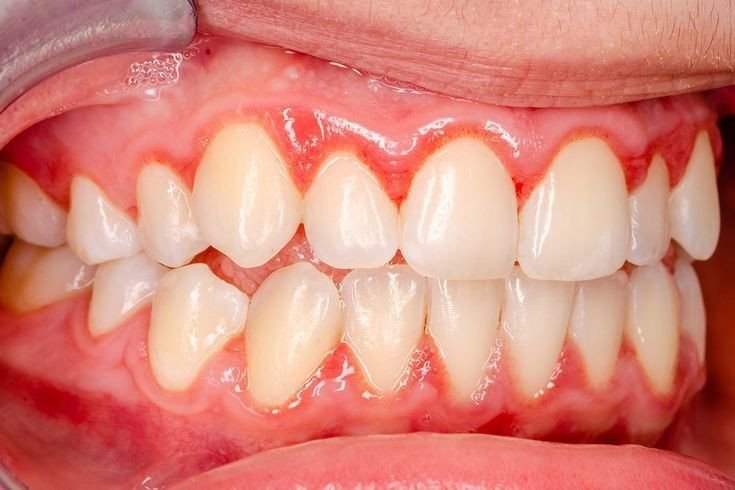
Gingivitis is an early form of gum disease commonly associated with plaque accumulating around the teeth and gumline. The gums may become red, swollen, or prone to bleeding.
When gum inflammation is not addressed, it may progress to periodontitis, a more advanced condition that affects the tissues supporting the teeth. The earlier a gum problem is assessed, the sooner you can understand the care it may require.
Gum problems can begin with subtle changes. Look out for these symptoms and seek dental advice if they persist.
Bleeding during brushing or flossing can indicate gum inflammation.
Gums may appear puffy, red, tender, or uncomfortable.
Ongoing unpleasant breath or taste may be associated with gum problems.
Gums that pull away from the teeth should be professionally assessed.
Sensitivity may have several causes, including exposed tooth roots.
These symptoms require prompt evaluation of the supporting tissues.
Treatment depends on the cause of the inflammation and the condition of your gums. Your dentist will recommend care after assessing your oral health.
An examination helps identify inflammation, plaque accumulation, gum recession, and signs that may need further periodontal evaluation.
Professional scaling can remove plaque and hardened tartar that contribute to gum inflammation, including deposits in areas that are difficult to clean at home.
Personalised brushing advice, cleaning between teeth, and appropriate follow-up visits can help maintain gum health and monitor changes over time.
Understanding the process can make it easier to take the next step toward better oral health.
Explain any bleeding, discomfort, swelling, sensitivity, or changes you have noticed.
Your dentist examines your teeth and gums and may recommend additional checks when clinically appropriate.
Receive information about suitable treatment, daily oral hygiene, and recommended follow-up.
Consistent home care is an important part of gum health. Your dentist can recommend a routine suited to your teeth and gums.
Start with a dental assessment. It can help determine whether you need routine cleaning, gum disease treatment, or further periodontal care.
Learn more about related services that may be discussed during your dental assessment.
Find answers to common questions about gum symptoms, treatment, and prevention.
If you have persistent symptoms, arrange an assessment rather than relying on online information alone.
Gingivitis can often improve with appropriate professional cleaning and effective daily oral hygiene. Treatment depends on the cause and severity of the inflammation.
No. Bleeding can have different causes, but recurring bleeding should be assessed by a dentist to identify the underlying problem.
Gingivitis affects the gums and is generally an earlier stage of gum disease. Periodontitis affects deeper supporting tissues and may damage the bone around teeth.
Not everyone needs deep cleaning. Your dentist will assess your gums and recommend routine cleaning or periodontal treatment according to your clinical needs.
Seek prompt dental care for worsening gum swelling, pus, severe pain, or a loose tooth. If swelling affects breathing or swallowing, seek emergency medical care.
Have questions about bleeding gums, swelling, or gum disease? Contact Lilium Medical Center to arrange an assessment and discuss suitable care.
The information on this page is for general educational purposes and does not replace a dental examination, diagnosis, or personalised treatment advice.