01
Overbite
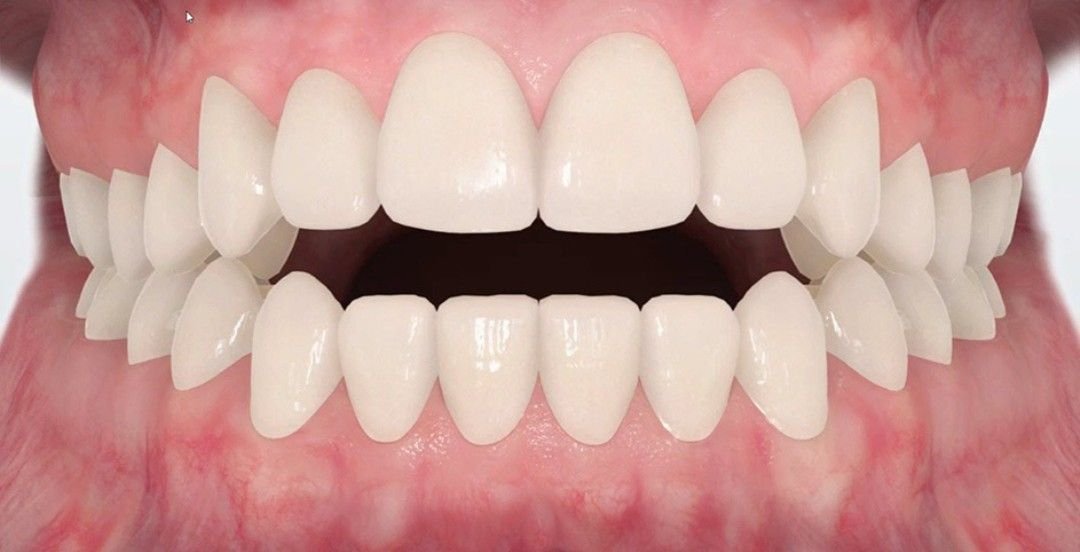
An overbite describes vertical overlap of the upper front teeth over the lower front teeth. The amount of overlap and its effect on oral health determine whether treatment is needed.
The way your upper and lower teeth meet can affect chewing, comfort, and overall dental function. Bite correction focuses on identifying and managing problems with how the teeth and jaws fit together.
At Lilium Medical Center, a dental consultation can help assess your bite concerns and determine whether orthodontic treatment or another dental approach may be appropriate for your needs.
Bite correction is the process of assessing and treating problems with the way the upper and lower teeth come together. A bite problem, also called a malocclusion, may involve crowded teeth, spacing, an overbite, an underbite, a crossbite, or an open bite.
Treatment depends on the cause and severity of the problem. Some concerns may be managed with orthodontic treatment, while others may require a broader dental assessment or specialist care. A professional examination is needed to identify the right option.
Bite problems can look and feel different from one person to another. These are some of the conditions a dental professional may assess during an orthodontic consultation.
An overbite describes vertical overlap of the upper front teeth over the lower front teeth. The amount of overlap and its effect on oral health determine whether treatment is needed.
An underbite occurs when the lower front teeth sit ahead of the upper front teeth. Its cause may relate to tooth position, jaw relationships, or a combination of factors.
A crossbite occurs when one or more upper teeth bite inside the lower teeth. Assessment can help establish the extent of the problem and the appropriate management.
With an open bite, some upper and lower teeth do not meet when the mouth is closed. The contributing factors and treatment options vary from case to case.
Crowding occurs when there is insufficient space for teeth to align properly. It may affect cleaning and can sometimes be associated with bite irregularities.
Gaps between teeth can affect their alignment and how they meet. The cause of spacing should be assessed before deciding on suitable treatment.
Not every bite variation requires treatment. However, consider arranging a dental assessment if you notice ongoing concerns such as:
Jaw pain, tooth wear, and difficulty chewing can have several possible causes. These symptoms do not automatically mean that you have a bite problem, so an appropriate dental examination is important.
Sudden severe pain, significant facial swelling, or a jaw injury requires prompt professional attention. Seek urgent medical care if you have difficulty breathing or swallowing.
When a bite problem affects daily function or oral health, assessment can help identify whether treatment may be beneficial. Potential goals depend on the individual diagnosis.
Appropriate treatment may help improve how the teeth meet during biting and chewing, depending on the underlying problem.
Correcting certain alignment problems may make some tooth surfaces easier to reach when brushing and flossing.
Assessment can identify areas of unusual tooth contact and help determine whether any intervention is appropriate.
The assessment and treatment process depends on your age, dental health, bite pattern, and individual treatment goals.
The clinician examines the teeth, gums, and how the upper and lower teeth meet. Your symptoms and concerns are also discussed.
When appropriate, photographs, dental scans, impressions, or dental X-rays may be recommended to help assess the problem.
Your dental professional explains the findings, suitable treatment options, expected follow-up, and any limitations relevant to your case.
The right approach depends on whether the concern is related mainly to tooth position, jaw relationships, or another dental condition. Treatment options may include:
Clear aligners are not suitable for every bite problem. Some cases may need fixed braces, specialist orthodontic care, or another approach. More complex jaw-related problems may require specialist assessment.
Your treatment plan should be based on a clinical examination, not appearance alone.
Learn more about orthodontic options that may be discussed during a bite assessment. The suitability of each treatment depends on your individual dental needs.
Bite correction involves assessing and managing problems with how the upper and lower teeth meet. Treatment may involve orthodontics or other dental care, depending on the cause.
Clear aligners can address certain bite and alignment concerns in selected cases. More complex problems may require fixed braces or specialist treatment. A dental assessment is needed to determine suitability.
Some bite problems can make biting or chewing less comfortable. However, chewing difficulties can have other causes, so an examination is needed to identify the reason.
Treatment time varies according to the type and severity of the bite problem, the treatment selected, and how the teeth respond. Your clinician can discuss an estimate after assessment.
No. Some variations may not require treatment. A dental professional can assess whether a bite concern affects your oral health, comfort, or function.
Arrange a dental assessment for persistent jaw discomfort, difficulty chewing, or changes in how your teeth meet. Sudden severe symptoms or a jaw injury may need urgent assessment.
Contact Lilium Medical Center to discuss your concerns and ask about an appropriate dental consultation.
If you have concerns about your bite, tooth alignment, or chewing comfort, contact Lilium Medical Center to ask about a consultation and discuss suitable next steps.
Qudrat Building, Office #207, 2nd Floor, Gharnatah Street, Al Muwaihat 3, Ajman, UAE.