01
Discreet Appearance
The transparent material makes aligners less noticeable than many traditional fixed braces, although visibility varies by case.

Looking for a discreet way to improve the alignment of your teeth? Clear aligners are removable, transparent trays designed to move teeth gradually under professional dental supervision. At Lilium Medical Center, a consultation can help determine whether this treatment option is suitable for your smile and dental needs.
Learn how clear aligner treatment works, what to expect during treatment, and how to care for your teeth and aligners.
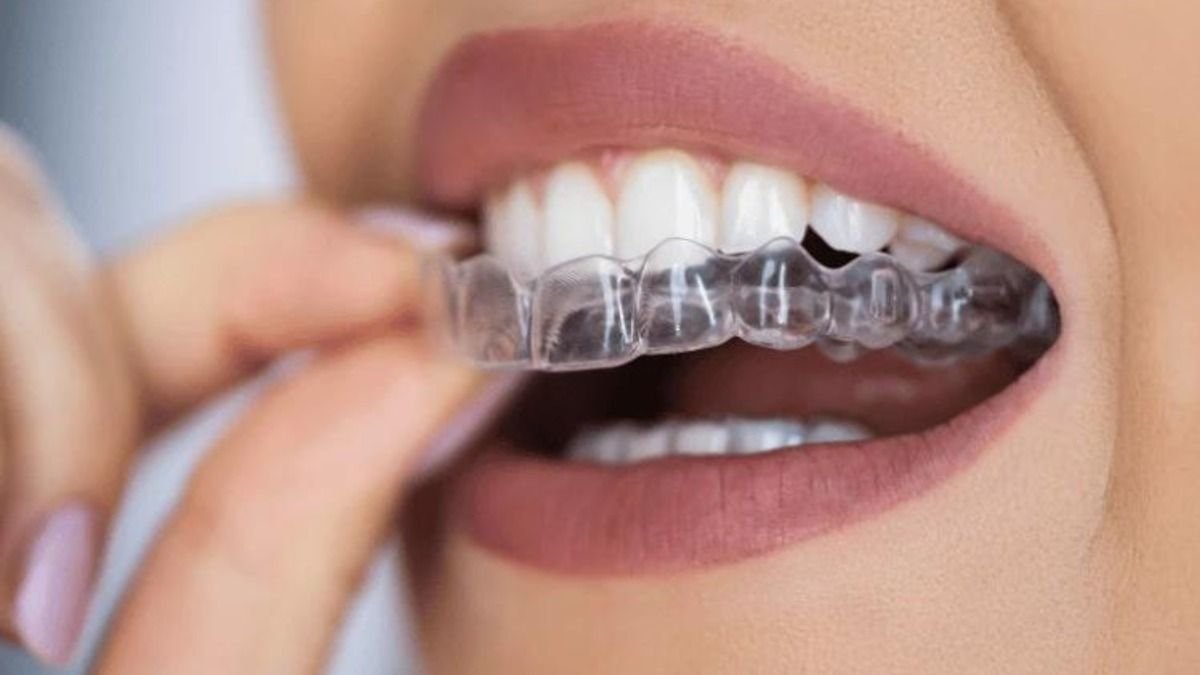
Clear aligners are custom-made transparent trays that fit over the teeth. They apply controlled pressure to guide selected teeth toward planned positions over time. Depending on the treatment plan, patients use a series of aligners, changing trays according to their dentist's or orthodontist's instructions.
Clear aligners can be suitable for certain spacing, crowding, and alignment concerns. However, not every orthodontic problem can be treated with aligners alone. A dental assessment is important before choosing a treatment.
Clear aligners offer practical features that some patients prefer when considering teeth-straightening treatment.
The transparent material makes aligners less noticeable than many traditional fixed braces, although visibility varies by case.
Aligners can generally be removed for meals, drinks other than water, brushing, and flossing, following professional instructions.
Because the trays are removable, patients can clean their teeth without working around brackets and wires.
A treatment plan maps the intended tooth movements and guides the sequence of aligners used during treatment.
Aligners are usually removed before eating, so patients do not need to avoid foods specifically because of fixed brackets.
Follow-up appointments allow the dental professional to assess progress and make recommendations when needed.
Clear aligners may be considered for adults and some teenagers with selected orthodontic concerns. Suitability depends on tooth position, bite, gum health, and the complexity of the case.
Some complex tooth movements or bite problems may require traditional braces, ceramic braces, or another treatment approach. Your dental professional can examine your teeth and explain suitable options before treatment begins.
Wearing aligners consistently as directed is important. Removing them for longer than recommended may affect treatment progress.
The exact process depends on your dental needs and the treatment plan recommended after examination.
Your dentist assesses your teeth, gums, bite, and treatment goals to discuss whether clear aligners may be appropriate.
If aligners are suitable, the treatment plan may involve dental scans or impressions, photographs, and other records as needed.
You wear each set according to your clinician's instructions and attend follow-up visits to monitor tooth movement.
Good oral hygiene and correct aligner care help support your dental health throughout treatment.
Clear aligners work through gradual, planned tooth movement. Wearing them for less time than prescribed can affect how well the trays fit and how treatment progresses.
Contact your dental professional if an aligner is damaged, does not fit as expected, or causes persistent discomfort. Do not force a tray into position or change your treatment schedule without professional advice.
Clear aligners are one approach to teeth alignment. Explore these related treatment pages to learn about other options. Your clinician can help determine which approach is appropriate for your needs.
No. Suitability depends on your teeth, bite, gum health, and treatment goals. A dental assessment is needed to determine whether clear aligners are appropriate for your case.
Treatment duration varies with the complexity of tooth movement, the planned treatment, and how consistently aligners are worn. Your clinician can provide an estimate after assessment.
In most cases, aligners should be removed before eating. Follow your clinician's instructions and clean your teeth before putting the trays back in.
Some pressure or temporary discomfort may occur when starting a new set of aligners. Persistent, severe, or unusual pain should be discussed with your dental professional.
Neither option is best for every patient. Clear aligners are removable and discreet, while fixed braces can be more suitable for certain complex tooth movements. The right choice depends on your clinical needs.
Contact Lilium Medical Center to ask about a consultation and whether clear aligner treatment is suitable for your dental needs.
Have questions about teeth alignment? Contact Lilium Medical Center to discuss your concerns and ask about available consultation options.
Address: Qudrat Building, Office #207, 2nd Floor, Gharnatah Street, Al Muwaihat 3, Ajman, UAE.