Dental Composite in Ajman: Tooth-Coloured Restorations and Cosmetic Bonding
Chipped teeth, small gaps, discolouration and cavities can affect both the appearance and function of your smile. Dental composite is a versatile tooth-coloured material used in restorative and cosmetic dentistry to repair damaged teeth and improve their appearance. If you are considering dental composite in Ajman, learning about composite fillings, dental bonding, treatment options and aftercare can help you understand whether this procedure may suit your needs.
What Is Dental Composite?
Dental composite is a tooth-coloured restorative material commonly made from a mixture of resin and fine glass or ceramic particles. It is designed to match the natural shade of teeth and can be shaped to restore damaged or imperfect areas.
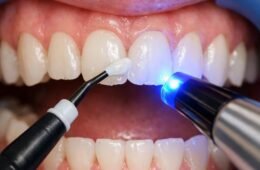
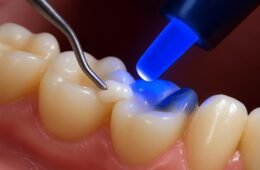
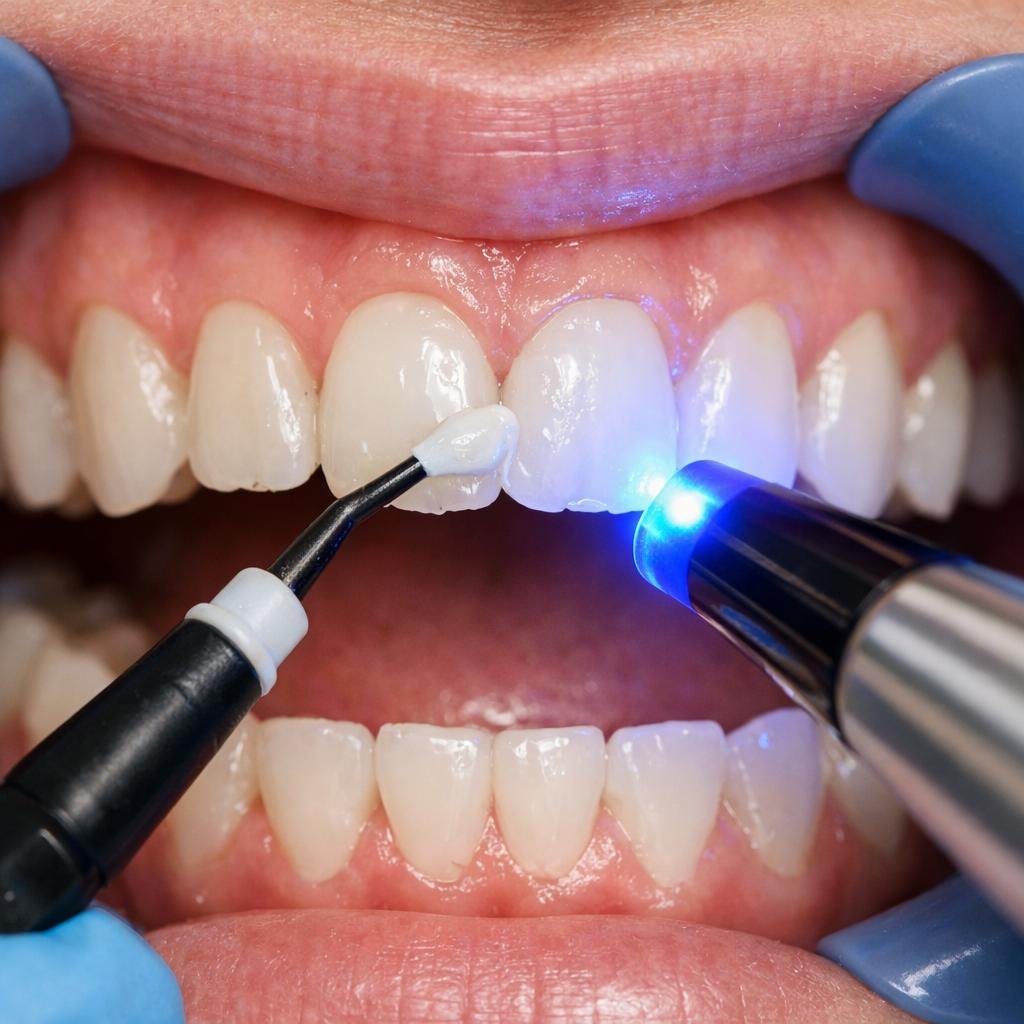
Dentists use composite materials for several procedures, including tooth-coloured fillings, cosmetic bonding and repairing minor chips or fractures. The material is placed directly onto the tooth, shaped according to the required result and hardened using a special curing light.
One of the main advantages of dental composite is its natural-looking appearance. When appropriately selected and applied, it can blend with the surrounding tooth structure.
What Is Dental Composite Used For?
Composite restorations can address several common dental concerns. Your dentist will assess the condition of your teeth before recommending treatment.
1. Repairing Chipped Teeth
Composite bonding can restore small chipped areas by rebuilding the missing portion and recreating the tooth's natural shape.
2. Closing Small Tooth Gaps
In selected cases, composite material can be added to the sides of teeth to reduce the appearance of small spaces between them.
3. Repairing Cavities
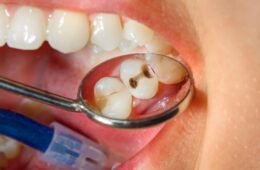
Tooth-coloured composite fillings can restore areas affected by decay after the damaged tooth structure has been treated.
4. Improving Tooth Shape
Cosmetic bonding may help improve the appearance of uneven, slightly irregular or worn tooth edges.
5. Covering Minor Discolouration
Composite material may be used to improve the appearance of certain localised discoloured areas when other treatments are unsuitable.
6. Restoring Worn Teeth
Selected areas of minor tooth wear may be restored with composite material after evaluating the underlying cause.
Dental Composite Filling vs Cosmetic Bonding
Although both procedures use composite resin, dental composite fillings and cosmetic bonding have different purposes.
Composite Dental Fillings
Composite fillings are primarily used to restore teeth affected by cavities or decay. The dentist removes the damaged portion when necessary and fills the prepared area with tooth-coloured material.
- Restores areas affected by cavities
- Helps recover normal tooth shape
- Matches the natural tooth shade
- Supports everyday chewing function
Cosmetic Composite Bonding
Cosmetic bonding focuses on improving the visible appearance of teeth. Composite resin is applied and shaped to address selected cosmetic concerns.
- Repairs minor chips
- Improves tooth shape
- Can reduce small visible gaps
- Improves selected cosmetic imperfections
How Does the Dental Composite Procedure Work?
Dental composite treatment is usually completed in a dental clinic. The exact process depends on whether the procedure is intended to repair a cavity or improve the appearance of a tooth.
Step 1: Dental Examination
The dentist examines your teeth, discusses your concerns and determines whether composite restoration is appropriate. The condition of the tooth, bite and surrounding structures are considered.
Step 2: Tooth Preparation
The tooth is cleaned and prepared for bonding. For a cavity, the dentist removes decayed tissue as needed. Cosmetic bonding may require minimal or no removal of healthy tooth structure, depending on the case.
Step 3: Shade Selection
A suitable composite shade is selected to blend with your natural teeth. Proper shade selection helps achieve a more consistent appearance.
Step 4: Composite Application
The composite material is applied to the prepared area. A bonding system is used to help the material adhere to the tooth.
Step 5: Curing and Shaping
A special dental curing light hardens the composite resin. The dentist carefully shapes the material to recreate the desired tooth contour.
Step 6: Polishing and Bite Adjustment
The restoration is polished to create a smooth finish. The dentist also checks your bite to ensure that the restored tooth does not interfere with normal chewing.
Benefits of Dental Composite Treatment
Composite materials are widely used because they offer a combination of functional and cosmetic advantages.
- Natural appearance: Tooth-coloured materials can blend with surrounding teeth.
- Versatile treatment: Suitable for several restorative and cosmetic applications.
- Conservative preparation: Many bonding procedures preserve much of the healthy tooth structure.
- Direct application: Many composite restorations can be completed in one appointment.
- Repair options: Certain composite restorations can be repaired or adjusted when clinically appropriate.
- Improved smile appearance: Can address selected chips, gaps and irregularities.
How Long Does Dental Composite Last?
The lifespan of a composite restoration varies according to its size, location, the amount of chewing pressure it receives and your oral hygiene habits.
Small restorations may last for many years with appropriate care, but composite material can gradually wear, stain, chip or become damaged over time.
Habits such as biting fingernails, chewing hard objects and grinding teeth can increase the risk of damage. Regular dental checkups help your dentist monitor the condition of existing restorations.
How to Care for Composite Restorations
Good oral hygiene and regular dental visits can help maintain your composite restorations and natural teeth.
- Brush twice daily with fluoride toothpaste.
- Clean between your teeth every day using floss or interdental cleaners.
- Avoid biting hard objects such as ice and hard sweets.
- Limit frequent consumption of staining drinks such as coffee and tea.
- Avoid using your teeth to open packages or bite non-food objects.
- Visit your dentist regularly for professional examinations.
- Discuss teeth grinding if you notice jaw discomfort or unusual tooth wear.
Dental Composite vs Dental Veneers
Composite bonding and dental veneers can both improve the appearance of teeth, but they differ in materials, preparation and suitability.
Dental Composite Bonding
- Uses tooth-coloured composite resin
- Applied and shaped directly on the tooth
- Often requires limited preparation
- Can be suitable for minor cosmetic corrections
Dental Veneers
- Thin coverings placed on the front of teeth
- May be made from porcelain or composite
- Can address broader cosmetic concerns
- May require preparation of natural tooth structure
The most suitable option depends on your smile goals, tooth condition and clinical examination.
Who Is a Suitable Candidate for Dental Composite?
Dental composite may be appropriate for people who want to repair minor tooth damage, restore cavities or improve selected cosmetic imperfections.
You may be a candidate if you have:
- Small chipped or uneven teeth
- Minor gaps between teeth
- Localised cosmetic imperfections
- Cavities that can be restored with composite material
- Minor worn areas suitable for bonding
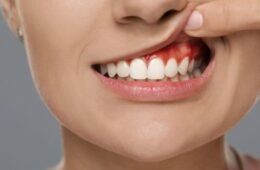
Patients with extensive tooth damage, untreated gum disease, severe decay or significant teeth grinding may need additional treatment or an alternative restoration.
When Should You Visit a Dentist?
Do not delay a dental assessment if you notice a chipped tooth, a visible cavity, increasing sensitivity or discomfort when biting.
A dentist can examine the affected area and determine whether composite bonding, a filling, a veneer or another treatment is appropriate.
If you have severe toothache, facial swelling or signs of infection, seek prompt dental care.
You can also read our guide to dental cavities and their treatment in Ajman.
Why Consider Lilium Medical Center for Dental Care in Ajman?
Choosing an appropriate dental treatment starts with a proper examination and understanding your oral health needs.
At Lilium Medical Center, patients can discuss concerns such as chipped teeth, cavities, uneven tooth edges and cosmetic imperfections with the dental team.
The dentist can assess your teeth and explain suitable restorative options based on your individual condition and treatment goals.
Clinic address: Qudrat Building, Office #207, 2nd Floor, Gharnatah Street, Al Muwaihat 3, Ajman.
Frequently Asked Questions About Dental Composite in Ajman
1. What is dental composite used for?
Dental composite is used for tooth-coloured fillings, repairing chipped teeth, cosmetic bonding, closing selected small gaps and improving minor tooth imperfections.
2. Is dental composite the same as a normal filling?
Composite is a material that can be used for fillings. A composite filling restores a tooth affected by decay, while cosmetic composite bonding is mainly used to improve the appearance of teeth.
3. Does composite bonding damage natural teeth?
Many composite bonding procedures require little preparation of healthy tooth structure. However, the amount of preparation depends on the individual tooth and treatment requirements.
4. Can dental composite close gaps between teeth?
Composite bonding can reduce the appearance of certain small gaps by adding material to the sides of teeth. Larger spaces may require orthodontic or other cosmetic treatment.
5. Does composite bonding look natural?
Composite resin is available in different shades and can be shaped and polished to blend with natural teeth. The final appearance depends on shade selection, technique and the condition of the teeth.
6. Can composite fillings become stained?
Yes. Composite restorations may gradually stain from coffee, tea, tobacco and other staining substances. Good oral hygiene and dental maintenance can help reduce discolouration.
7. Is dental composite treatment completed in one visit?
Many direct composite restorations and bonding procedures can be completed in a single appointment. More complex cases may require additional visits.
8. Is composite better than porcelain veneers?
Neither option is best for everyone. Composite bonding may be suitable for smaller corrections, while porcelain veneers may be considered for broader cosmetic changes. A dentist can recommend an option after examination.
Looking for Dental Composite Treatment in Ajman?
Whether you want to repair a chipped tooth, restore a cavity or improve your smile, arrange a dental consultation at Lilium Medical Center to discuss your options.
Call Lilium Medical Center
+971 55 411 7629
Call Now Book on WhatsAppMedical disclaimer: This article is intended for general educational purposes and does not replace professional dental advice, diagnosis or treatment. The suitability of composite restorations depends on individual dental conditions and clinical assessment.