Dental Cavities: Early Signs, Causes and Treatment in Ajman
Dental cavities can begin with small changes that are easy to overlook. Without appropriate care, tooth decay may progress and cause sensitivity, pain or damage to the affected tooth. Understanding the early signs of cavities can help you seek dental advice before the problem becomes more complicated.
If you are looking for information about dental cavities treatment in Ajman, this guide explains common symptoms, why cavities develop, how dentists diagnose tooth decay and which treatments may be suitable. Lilium Medical Center provides dental care in Ajman, where a dental professional can assess your teeth and discuss appropriate treatment options.
What Are Dental Cavities?
A dental cavity is a damaged area in a tooth caused by tooth decay. The process often starts when bacteria in dental plaque use sugars from food and drinks to produce acids. Over time, these acids can weaken the tooth's hard outer surface, known as enamel.
If the damage progresses, decay can reach the softer layer beneath the enamel, called dentin. More advanced decay may affect the pulp, which contains the tooth's nerves and blood vessels. The earlier tooth decay is identified, the more likely it is that treatment can be simpler.
Early Signs of Dental Cavities
Cavities do not always cause noticeable symptoms at first. Some early changes can be detected only during a dental examination. Look out for these signs:
1. White or Dark Spots on Teeth
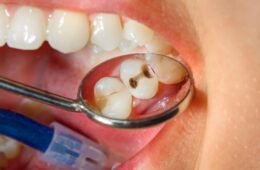
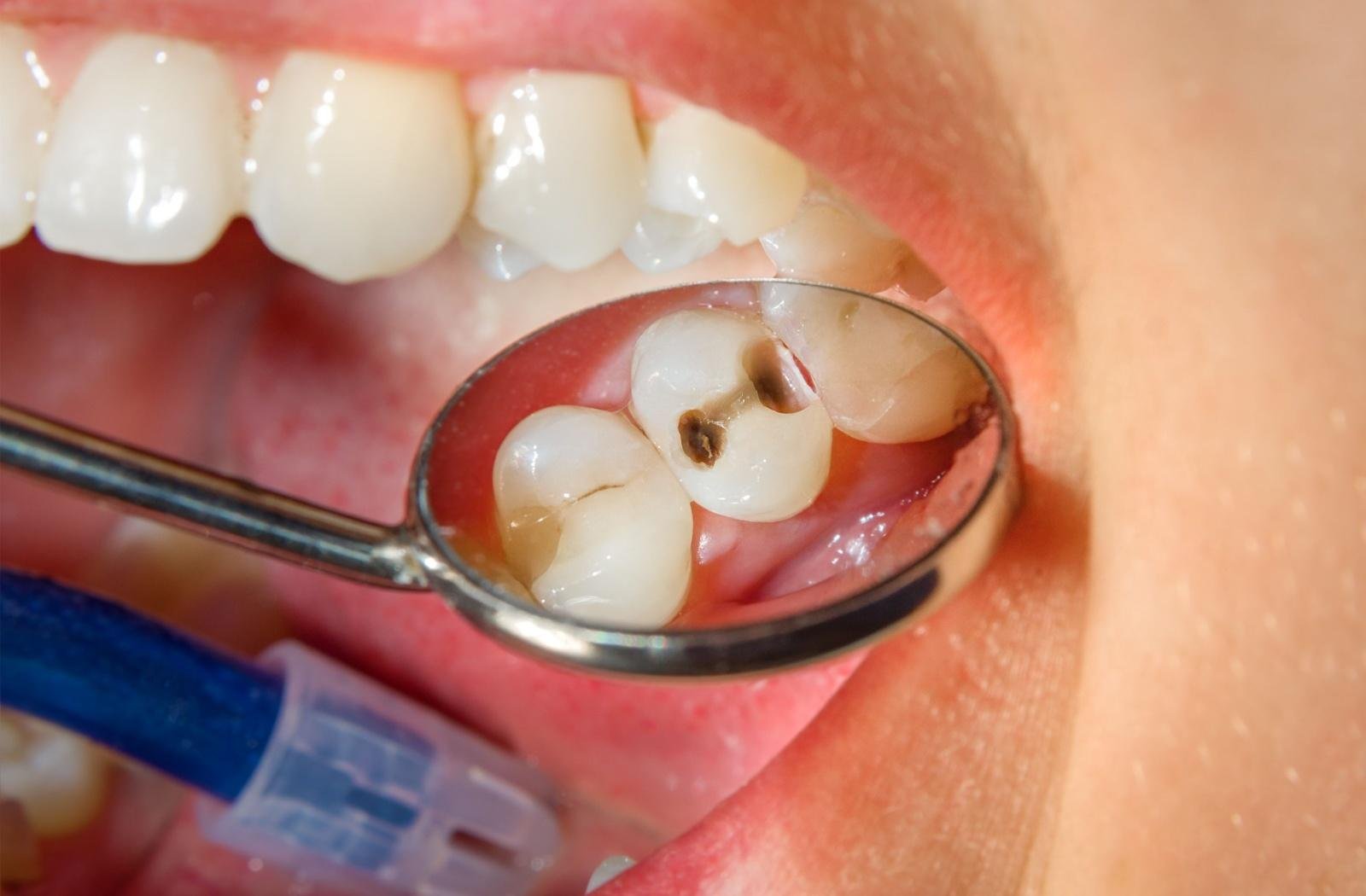
Early enamel changes may appear as chalky white areas. As decay progresses, a tooth may develop brown or dark spots. Not every dark spot is a cavity, so a dentist should examine any suspicious change.
2. Sensitivity to Hot, Cold or Sweet Foods
A tooth that reacts to cold drinks, hot food or sweets may have tooth decay, exposed dentin or another dental issue. Sensitivity can have several causes and should not be diagnosed by symptoms alone.
3. Toothache or Discomfort While Chewing
Pain when biting or chewing may indicate a cavity or another problem, such as a cracked tooth. Persistent or recurring toothache deserves a dental assessment, even if the discomfort comes and goes.
4. A Visible Hole or Rough Area
A cavity can eventually form a small hole or rough area in a tooth. Avoid probing the area with sharp objects. Arrange a dental examination to determine the cause and the treatment needed.
5. Food Frequently Getting Stuck Between Teeth
Food trapping in the same place can sometimes be related to tooth decay, a damaged filling or a gap between teeth. A dentist can examine the area and identify the reason.
Important: Early tooth decay may not hurt. Do not wait for a toothache before arranging routine dental check-ups, especially if you notice a new spot or persistent sensitivity.
What Causes Dental Cavities?
Cavities usually develop through a combination of plaque bacteria, frequent sugar exposure and inadequate protection of the tooth surface. Common contributing factors include:
- Frequent sugary snacks and drinks: Repeated exposure to sugars gives plaque bacteria more opportunities to produce enamel-damaging acids.
- Inconsistent brushing: Plaque can accumulate when teeth are not cleaned regularly with fluoride toothpaste.
- Not cleaning between teeth: Toothbrushes may not reach every surface, allowing plaque to remain between teeth.
- Dry mouth: Reduced saliva can make it harder to neutralise acids and protect tooth surfaces.
- Deep grooves in teeth: Some tooth surfaces are more difficult to clean and can trap food and plaque.
- Existing dental problems: Worn or damaged fillings and areas of exposed tooth roots may need particular attention.
A dentist can help identify your individual risk factors and recommend a preventive routine that suits your teeth and oral health.
How Are Cavities Diagnosed?
A dental examination helps determine whether a suspicious area is a cavity and how far the damage may have progressed. Depending on your symptoms and examination findings, your dentist may:
- Ask about tooth sensitivity, pain and your dental history.
- Examine the tooth surfaces for changes, damaged areas or visible cavities.
- Recommend dental X-rays when necessary to check for decay between teeth or other areas that are difficult to assess visually.
- Discuss the findings and explain suitable treatment options.
Not every patient needs an X-ray at every visit. Your dentist will decide whether imaging is appropriate for your particular situation.
Dental Cavities Treatment in Ajman
The right treatment depends on the extent of tooth decay, the location of the affected tooth and whether the inner pulp has been involved. Common options include the following.
1. Fluoride Treatment for Early Tooth Decay
When decay is at an early stage and a cavity has not yet formed, fluoride treatment may help strengthen enamel and support remineralisation. Your dentist may also recommend fluoride toothpaste and changes to your oral hygiene routine. A formed cavity generally needs restorative treatment rather than fluoride alone.
2. Dental Fillings
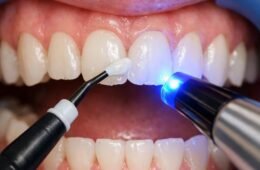
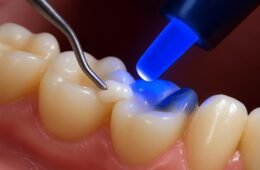
If decay has created a cavity, the dentist typically removes the damaged tooth tissue and restores the area with a suitable filling material. A filling helps restore the tooth's shape and function. The choice of material depends on factors such as the tooth's location, the size of the cavity and your clinical needs.
3. Crowns for More Extensive Damage
When a tooth has lost a significant amount of its structure, a dental crown may be recommended to cover and protect it. Your dentist will assess how much healthy tooth remains before advising whether a crown is appropriate.
4. Root Canal Treatment for Advanced Decay
If decay reaches the pulp and causes irreversible inflammation or infection, root canal treatment may be needed to treat the inside of the tooth and help preserve it. A crown or another restoration may be recommended afterward, depending on the tooth and the amount of remaining structure.
5. Tooth Extraction When a Tooth Cannot Be Saved
Extraction may be considered if a tooth is too severely damaged to restore predictably. Whenever possible, the dentist will assess whether the tooth can be treated and preserved before discussing removal and any suitable replacement options.
Every cavity is different. A dental examination is the best way to understand the extent of decay and whether preventive care, a filling or another procedure is appropriate.
How to Prevent Dental Cavities
A consistent oral care routine can reduce the risk of tooth decay. These everyday habits are helpful for adults and children:
- Brush twice daily for two minutes using fluoride toothpaste.
- Clean between your teeth daily with dental floss or an appropriate interdental cleaner.
- Limit frequent sugary snacks, sweets and sweetened drinks.
- Choose water regularly, especially between meals.
- Avoid repeatedly sipping sugary or acidic drinks throughout the day.
- Attend dental check-ups at intervals recommended for your oral health needs.
- Ask your dentist whether fluoride treatments or dental sealants may benefit you or your child.
- Tell your dentist if you regularly experience dry mouth or take medicines that may reduce saliva.
When Should You Visit a Dentist?
Arrange a dental appointment if you notice a new spot on a tooth, sensitivity that persists, discomfort when chewing or a recurring toothache. A cavity may become larger even when the symptoms seem mild.
Seek urgent dental care for severe or worsening tooth pain, swelling around the gums or face, or signs of a possible dental infection. Facial or neck swelling accompanied by difficulty breathing or swallowing requires emergency medical care immediately.
Frequently Asked Questions About Dental Cavities
Can a dental cavity heal on its own?
Very early enamel demineralisation may be reversible with fluoride and improved oral care. Once a physical cavity has formed, the lost tooth structure does not grow back and the tooth generally needs restorative treatment.
Can you have a cavity without tooth pain?
Yes. Early cavities often cause no pain. Regular dental examinations can help detect tooth decay before it becomes more advanced.
How long does a dental filling take?
Many routine fillings can be completed in one appointment, but the time varies according to the cavity's size, location and complexity. Your dentist can provide a more accurate estimate after examining the tooth.
Are dental cavities common in children?
Yes. Children can develop cavities in both baby teeth and permanent teeth. Brushing with age-appropriate fluoride toothpaste, limiting frequent sugary snacks and attending dental check-ups help protect their teeth.
When should I seek dental cavities treatment in Ajman?
Consider booking an examination when you notice tooth sensitivity, visible spots, food trapping or discomfort. Early assessment can help identify the problem and clarify the available treatment options.
Need a Dental Check-Up in Ajman?
If you are concerned about tooth decay, sensitivity or a possible cavity, contact Lilium Medical Center to arrange a dental assessment. Our team can help you understand your dental concerns and discuss suitable next steps based on your examination.
Lilium Medical Center
Qudrat Building, Office #207, 2nd Floor, Gharnatah Street, Al Muwaihat 3, Ajman
Disclaimer: This article is for general educational purposes and does not replace a professional dental examination, diagnosis or personalised treatment advice.