Bleeding Gums When Brushing: Causes and Treatment
Noticing blood when you brush or floss your teeth can be worrying. Bleeding gums may result from brushing too hard, plaque buildup, gum inflammation or other oral health concerns. Understanding the possible causes can help you take the right next step and protect your long-term dental health.
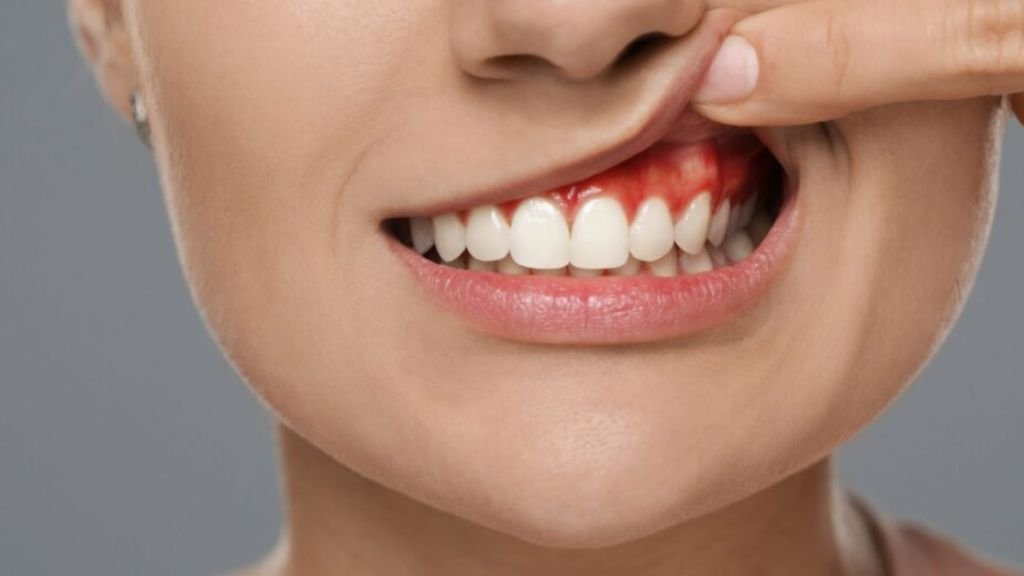
Healthy gums help protect the tissues that support your teeth. If you regularly notice blood on your toothbrush, in the sink or while flossing, do not ignore the symptom. Occasional bleeding can occur after irritation, but repeated bleeding may be a sign of gingivitis or gum disease.
If you are looking for a dental clinic in Ajman , understanding your symptoms is a useful first step. This guide explains common causes of bleeding gums, what you can do at home, and when to arrange a dental appointment.
What Causes Gums to Bleed When Brushing?
Bleeding gums are a symptom rather than a diagnosis. Several factors may contribute, and the cause is not always obvious without a dental examination.
1. Plaque buildup along the gumline
Plaque is a sticky film of bacteria that forms on teeth. When it is not removed effectively, it can irritate the gums and lead to redness, tenderness and bleeding. Plaque that hardens into tartar cannot be fully removed with a toothbrush alone and may require professional cleaning.
2. Gingivitis and gum disease
Gingivitis is an early form of gum disease commonly associated with plaque buildup. Gums may appear swollen, red or bleed during brushing and flossing. If gum disease progresses, it can affect the tissues and bone supporting the teeth.
3. Brushing too hard or using a hard-bristled toothbrush
Applying excessive pressure or using a toothbrush with hard bristles can irritate the gums. A soft-bristled toothbrush and gentle, controlled movements are generally recommended.
4. Changes in flossing habits
If you have recently started flossing, your gums may bleed temporarily, especially if inflammation is already present. However, persistent bleeding should not automatically be attributed to flossing. Continue cleaning gently and arrange a dental assessment if the symptom continues.
5. Other possible contributing factors
- Ill-fitting dental appliances or irritation from dental work.
- Hormonal changes, including those during pregnancy.
- Smoking or tobacco use, which can affect gum health.
- Some medicines, including blood-thinning medicines.
- Certain nutritional deficiencies or medical conditions that affect bleeding.
These factors do not all require the same treatment. Your dentist or medical professional can help determine whether the problem is local to the gums or needs further investigation.
Can Bleeding Gums Be a Sign of Gum Disease?
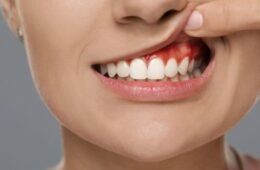
Yes. Bleeding during brushing or flossing is a common sign of gingivitis, the early stage of gum disease. Other symptoms may include red or swollen gums, tenderness, persistent bad breath and gums that bleed easily.
If inflammation is addressed early, gingivitis can often be reversed with effective oral hygiene and professional dental care. More advanced gum disease may require additional treatment to manage infection and protect the supporting structures of the teeth.
Important: Gum disease may progress with relatively little pain. Do not wait for discomfort to become severe before arranging an assessment if your gums repeatedly bleed.
How Are Bleeding Gums Treated?
The right treatment depends on the underlying cause. A dentist may examine your gums, check for plaque and tartar, assess the tissues around your teeth and recommend appropriate care.
Professional teeth cleaning
If plaque and tartar are contributing to gum inflammation, professional scaling and cleaning may be recommended. This removes deposits that regular brushing cannot eliminate. Your dentist can also advise how often you should have your teeth professionally cleaned.
Learn more about teeth cleaning in Ajman and how professional cleaning supports oral hygiene.
Periodontal treatment
If an examination identifies more advanced gum disease, treatment may involve deeper cleaning below the gumline, often called scaling and root planing, or referral for specialist periodontal care. The recommendation depends on the severity of the condition.
Adjusting your oral hygiene routine
Your dentist may demonstrate the correct brushing and flossing techniques, recommend suitable oral hygiene products and help identify habits that irritate your gums.
Reviewing other possible causes
If bleeding continues despite good oral hygiene, your dentist may review your medicines and medical history or recommend further medical assessment. Do not stop prescribed medicines without advice from the prescribing clinician.
What Can You Do at Home if Your Gums Bleed?
Good daily oral hygiene can help reduce plaque and support gum health. While these steps are useful, they do not replace professional care when bleeding persists.
- Use a soft-bristled toothbrush. Brush gently twice a day with fluoride toothpaste.
- Clean between your teeth daily. Use dental floss or an appropriate interdental cleaner without forcing it into the gums.
- Pay attention to the gumline. Use small, gentle movements rather than scrubbing aggressively.
- Consider your habits. Avoid tobacco and maintain a balanced diet that supports general and oral health.
- Arrange a dental appointment. Seek assessment for repeated or unexplained gum bleeding instead of relying on home remedies alone.
Avoid using harsh substances or unverified remedies directly on the gums. If bleeding occurs, apply gentle pressure with clean gauze when practical. Heavy or persistent bleeding needs prompt medical attention.
When Should You See a Dentist for Bleeding Gums?
Book a dental appointment if your gums bleed repeatedly, remain swollen or tender, or if you notice persistent bad breath, receding gums, loose teeth or changes in how your teeth fit together when you bite.
Seek urgent care when needed. Heavy bleeding that does not stop with gentle pressure, facial or neck swelling, fever with spreading dental swelling, or difficulty swallowing or breathing requires urgent assessment. Difficulty breathing or swallowing is an emergency.
If you also have significant tooth pain, swelling or a suspected dental infection, arrange prompt assessment rather than waiting for routine cleaning.
If you are based in Ajman, a dental examination at Lilium Medical Center can help assess your symptoms and identify suitable next steps.
How to Help Prevent Bleeding Gums
Consistent oral hygiene and regular dental reviews can reduce plaque buildup and help detect gum problems before they become more serious.
- Brush twice daily using fluoride toothpaste and a soft toothbrush.
- Clean between your teeth every day.
- Replace your toothbrush when the bristles become worn.
- Attend dental check-ups at intervals recommended for your needs.
- Arrange professional cleaning when advised by your dentist.
- Tell your dental team about relevant medical conditions and medicines.
Prevention is not just about brushing harder or more often. Gentle, effective cleaning and addressing the cause of inflammation are more important.
Frequently Asked Questions
Why do my gums bleed every time I brush my teeth?
Repeated bleeding may be caused by plaque buildup, gingivitis, brushing technique or another underlying factor. A dental examination can help identify the cause, particularly if bleeding continues despite gentle brushing.
Should I stop brushing if my gums bleed?
Do not stop cleaning your teeth altogether. Use a soft-bristled toothbrush and gentle technique. Clean between your teeth carefully, and arrange a dental assessment if the bleeding persists or worsens.
Can professional teeth cleaning stop bleeding gums?
Professional cleaning can help when plaque and tartar are contributing to gum inflammation. However, the result depends on the cause and severity of the problem, and some conditions need additional treatment.
How long does it take for bleeding gums to improve?
Improvement varies according to the cause and treatment. Mild irritation may settle after correcting brushing habits, while gum disease may need professional treatment. Persistent bleeding should be assessed rather than left untreated.
Can bleeding gums be a sign of a serious health problem?
Sometimes. Although plaque-related gum inflammation is common, recurrent or unexplained bleeding can also be associated with medicine effects or certain medical conditions. Seek professional advice if symptoms continue or you have other unusual bleeding.
Where can I get my bleeding gums checked in Ajman?
You can contact Lilium Medical Center in Ajman to enquire about a dental consultation. The dentist can assess your gums and explain the appropriate next steps.
Concerned About Bleeding Gums?
Do not ignore recurring gum bleeding. Arrange a dental consultation to understand the cause and discuss suitable treatment options with the dental team at Lilium Medical Center.
Visit: Qudrat Building, Office #207, 2nd Floor, Gharnatah Street, Al Muwaihat 3, Ajman.
Medical disclaimer: This article provides general oral health information and is not a diagnosis or a substitute for professional dental or medical advice. Symptoms and treatment needs differ between individuals. Consult a qualified healthcare professional for assessment of persistent or concerning symptoms.